

dark frosted glass
Control valve price is an important factor to consider when selecting a control valve for any application. The price of a control valve can vary depending on a variety of factors, including the type of valve, size, material, and brand. In this article, we will discuss the different factors that can influence control valve prices and provide some tips on how to get the best value for your money. One of the main factors that can impact the price of a control valve is the type of valve. There are several types of control valves, including globe valves, butterfly valves, ball valves, and diaphragm valves, among others. The complexity of the valve design and the materials used in its construction can affect the price. For example, a control valve with a more intricate design or made from high-quality materials may cost more than a simpler valve made from cheaper materials. Another factor that can influence control valve prices is the size of the valve. Control valves come in a range of sizes, from small valves used in residential plumbing systems to large valves used in industrial applications. Larger valves typically cost more than smaller valves due to the increased materials and manufacturing costs associated with their production. The material used in the construction of the control valve can also impact its price . Control valves can be made from a variety of materials, including stainless steel, brass, and plastic. Valves made from more durable and corrosion-resistant materials tend to be more expensive than those made from cheaper materials control valve price . The brand of the control valve can also play a role in its price. Well-known brands with a reputation for quality and reliability may charge a higher price for their products compared to less-established brands. However, it is important to note that price does not always equate to quality, and it is essential to research and compare different brands before making a purchase. When shopping for a control valve, it is essential to consider the total cost of ownership, not just the upfront price. Factors such as maintenance and repair costs, energy efficiency, and longevity should also be taken into account when evaluating the value of a control valve. To get the best value for your money when purchasing a control valve, it is essential to shop around and compare prices from different suppliers. Some suppliers may offer discounts or promotions that can help reduce the cost of the valve. Additionally, it is a good idea to read reviews and testimonials from other customers to gauge the quality and reliability of the control valve before making a purchase. In conclusion, control valve prices can vary depending on a variety of factors, including the type of valve, size, material, and brand. By considering these factors and shopping around for the best value, you can find a control valve that meets your needs and budget. Remember to factor in total cost of ownership and consider factors beyond just the upfront price when making your decision.
about
dark frosted glass
Understanding Valves The Unsung Heroes of Fluid Control Valves are among the most crucial components in a variety of systems, serving as the gatekeepers of fluid dynamics. From household plumbing to industrial machinery, valves play a vital role in controlling the flow of liquids and gases. Often overlooked in discussions about engineering and design, valves are essential for maintaining efficiency, safety, and convenience in countless applications. This article aims to delve into the various types and functions of valves, their importance, and innovations shaping the field. What is a Valve? At its core, a valve is a mechanical device that regulates, directs, or controls the flow of fluids by opening, closing, or partially obstructing pathways. Valves can be found in countless systems, and their design and function can vary widely based on the needs of the application. Some common types include gate valves, globe valves, ball valves, and check valves. Each type serves a specific purpose and is designed to manage flow in a particular manner. Types of Valves and Their Functions 1. Gate Valves These are primarily used for on/off control of flow. When fully open, they allow maximum flow with minimal pressure drop. Conversely, when closed, they completely stop the flow of fluid. However, gate valves are not suitable for throttling, as partially opening them can result in vibrations and erosion. 2. Globe Valves Designed for throttling applications, globe valves provide good flow regulation. Their interior design includes a movable disk, which acts against a stationary ring seat to control flow. Globe valves create more resistance to flow compared to gate valves, making them less effective for applications requiring minimal pressure drop. 3. Ball Valves Known for their durability and reliability, ball valves offer quick opening and closing functions. They contain a hollow, perforated ball that rotates to control flow. When the ball's hole is in line with the flow, the valve is open; when rotated perpendicular to the flow, it is closed . This design allows for low flow resistance and minimal leakage. 4. Check Valves These valves prevent backflow in a system. They operate automatically, relying on the pressure of the fluid to open and close. Check valves are critical in preventing damage to pumps and equipment downstream from a system by ensuring that fluid flows in the correct direction. the valve Importance of Valves in Various Industries Valves play a fundamental role in many industries, impacting efficiency, safety, and environmental protection. In the oil and gas sector, valves regulate the flow of raw materials and products, ensuring safe transportation and processing. In water treatment plants, valves control the flow of water through various filtration and purification stages, essential for providing clean drinking water. The power generation industry also relies on valves to manage steam and water flow in turbines and cooling systems, ensuring optimal performance and safety. Additionally, valves are integral to HVAC systems, where they manage airflow and ensure comfort in residential and commercial buildings. Innovations and Future Trends The valve industry is witnessing significant innovations driven by technology and the demand for efficiency. Smart valves equipped with sensors and IoT (Internet of Things) technology are increasingly being used to monitor flow rates, pressures, and temperatures in real-time, allowing for predictive maintenance and reducing downtime. Moreover, advancements in materials science are leading to the development of valves that can withstand extreme conditions, such as high pressures and corrosive environments. This progress not only enhances the durability and reliability of valves but also contributes to the overall efficiency of various systems. Conclusion While valves may not always be the first subject mentioned in discussions about engineering or infrastructure, their importance cannot be overstated. These devices are essential for controlling fluid flow and are critical to the functioning of numerous industries. As technology continues to evolve, the valve industry is poised for exciting advancements that will enhance efficiency, safety, and sustainability in fluid management. Understanding the role of valves is a vital step in appreciating the complexities of modern engineering and the systems that sustain our everyday lives.
-

High quality industrial productsagement

High quality industrial products
View Details -

Meet the diverse needs of customers

Meet the diverse needs of customers
View Details -

Strict quality control

Strict quality control
View Details -

Top raw materials

Top raw materials
View Details -

Trusted supplier

Trusted supplier
View Details
Our application

news and information
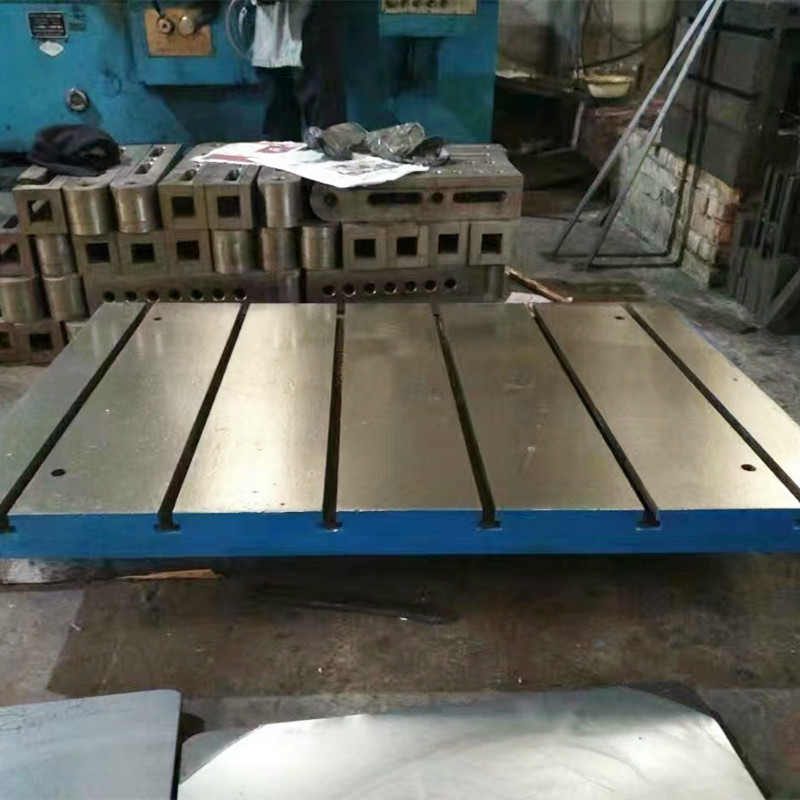
Versatile and Durable Metal Angle Brackets for Adjustable Applications in Home and Industrial Projec
The Versatility and Utility of Adjustable Metal Angle Brackets In the world of construction and DIY
Water gate valve price
In the complex landscape of water management and distribution systems, the water gate valve holds a
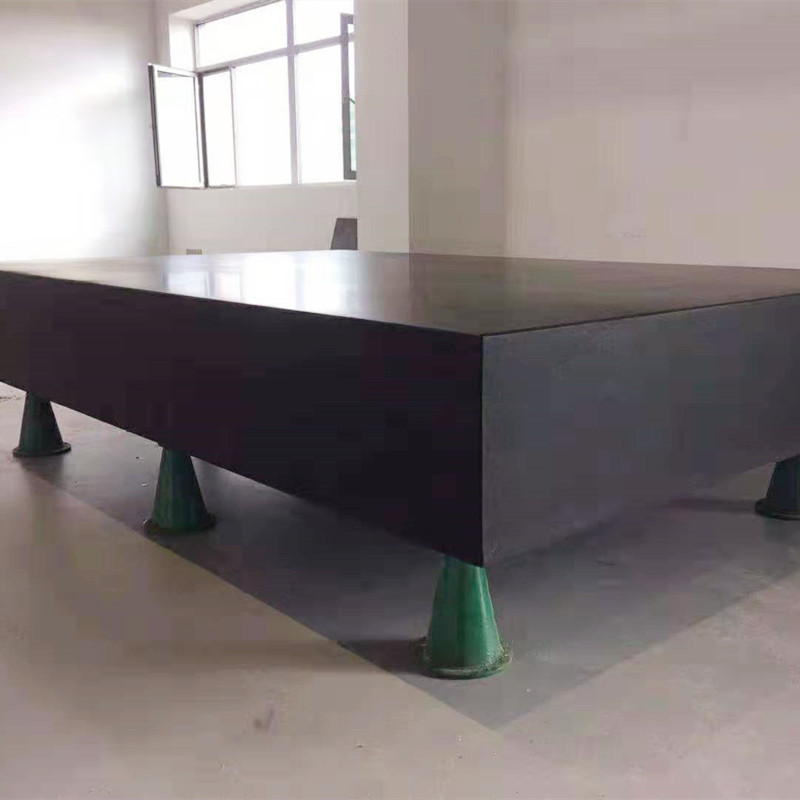
Welding Fabrication Techniques A Comprehensive Guide for Professionals
Understanding Welding Fabrication Tables A Key Tool for Precision and Efficiency Welding fabrication
 English